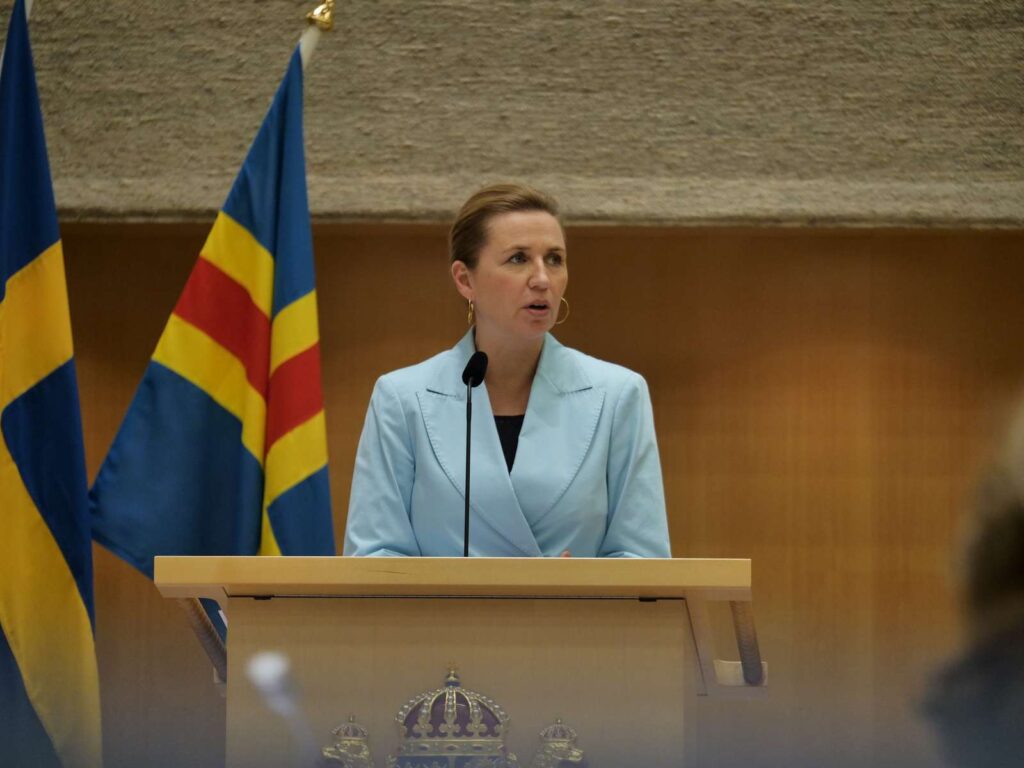
„In such uncertain times, it is crucial that we stick together in the Nordic Region. We are strong countries united by a unique social model, with high levels of trust, a long shared history and co-operation with deep roots. We have a need for that strong sense of community now. That is why the title of the Presidency of the Nordic Council of Ministers in 2026 is The Nordic Region: Strong Ties in Changing Times”, – Prime Minister Mette Frederiksen (Denmark) and Prime Minister Aksel V. Johannesen (the Faroe Islands).
Focus on societal security
The Presidency will focus in particular on enhancing societal security and the role of the Nordic Region in the world. It will build on the important steps taken by the Nordic Council of Ministers during Finland and Åland’s Presidency in 2025, which prioritised societal security in the broad sense throughout the Nordic Region, e.g. security of energy supplies, contingency planning, health threats and hybrid attacks. The Nordic Region must also continue its close co-operation at regional and international level – particularly in and around the Arctic and the Baltic Sea – and be a strong player in Europe.
A competitive Nordic Region
Although Nordic competitiveness is generally strong, we must do everything possible to improve it, according to the new Presidency. Creeping regulation and bureaucracy prevent businesses and entrepreneurs from realising their full potential. The Nordic Council of Ministers has commissioned an analysis of Nordic competitiveness, the results of which will be presented during the 2026 Presidency.
Updating the Nordic constitution – the Helsinki Treaty
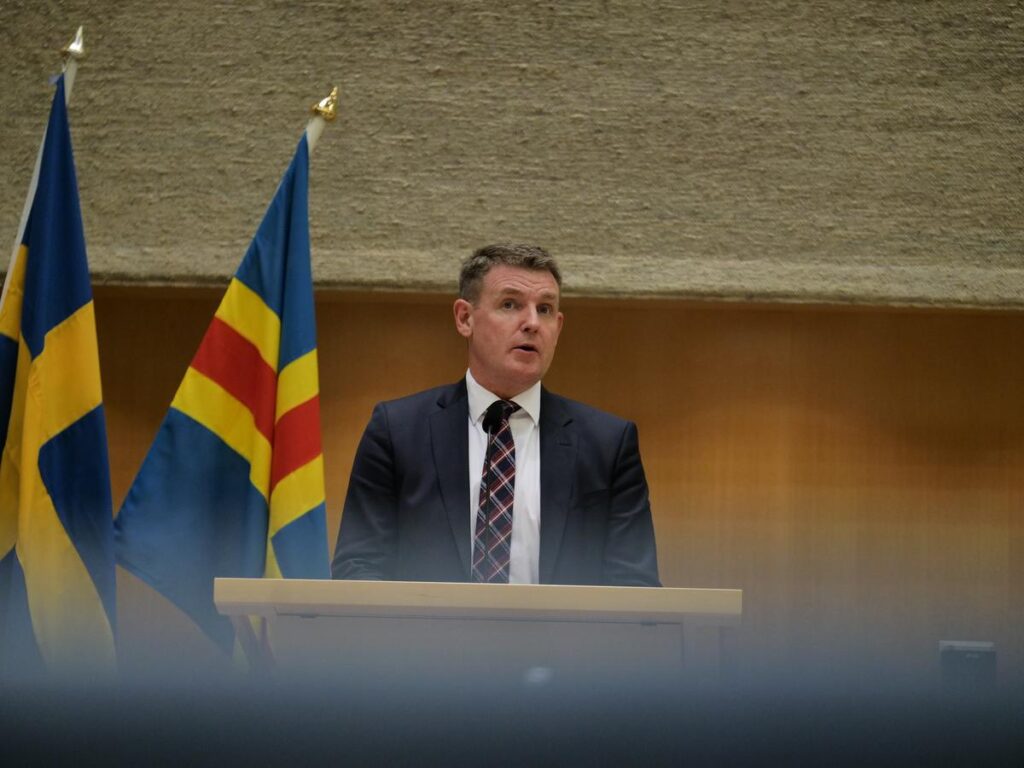
Aksel V. Johannesen/ norden.org
The Helsinki Treaty (1962), often referred to as the “Nordic constitution”, is the formal political document that regulates Nordic co-operation. During the 2026 Presidency, the Nordic governments will follow up on the ongoing legal review that has been commissioned to examine the potential to update the treaty. One of the aims is to make it possible for Åland, the Faroe Islands and Greenland to become full members of the Nordic Council and the Nordic Council of Ministers if they so wish and their constitutional frameworks allow it.
Greenland actively participates in selected activities
Greenland participates in some of the Nordic Council of Ministers’ activities but is not part of the joint Danish and Faroese Presidency in 2026. Greenland will, however, play an active role in the process of establishing a commission to update the Helsinki Treaty, which will be crucial in determining whether Greenland is recognised as an equal partner in Nordic co-operation.