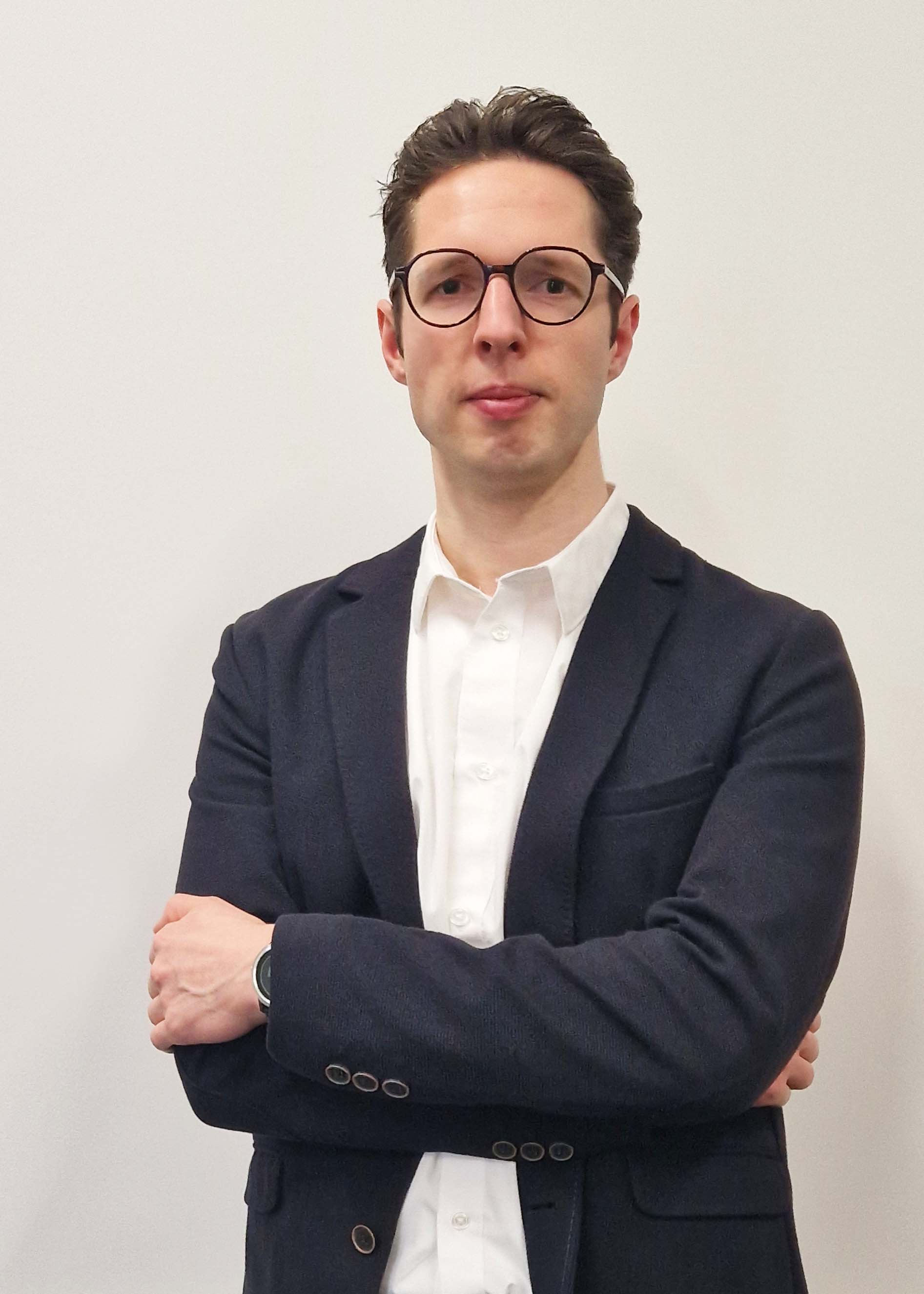
Addressing the stereotype that young people lack experience, Alexander Winge, president of the Nordic Youth Council, argued that today’s geopolitical crises were not created by young politicians – a reminder of the value fresh perspectives can bring to leadership.
Underrepresentation of youth in politics
The panelists emphasised youth’s underrepresentation in politics. Norway’s youngest mayor Håvard Handeland noted the self-reinforcing cycle of exclusion: “Young people don’t see formal politics as an arena for them to contribute because there are so few young people in politics.” He highlighted Norway’s practice of reserving top candidate spots for youth party members.
Finnish EU youth delegate Alma Jokinen added that internationally the situation is no better: “I’m usually the only person under 40 at foreign minister meetings.” She stressed the importance of youth delegates and alternative avenues of engagement.
Lithuania’s youngest municipal council member, social democrat Andrius Grumadas described the challenge of competing with established figures: “It’s really hard to be noticed and elected because you compete with people who are already active in political life.” He pointed to the lack of civic education and political support structures for youth due to political hierarchy. Meanwhile, Nordic Youth Council president Alexander Winge underlined the role of youth parties, noting their growth in membership since the pandemic and advocating for more youth-friendly spaces within political organizations.
Why young people do not vote?
The panel also examined why young people are reluctant to vote. Alexander reflected: “My generation sees it like, well, people go to vote, politicians promise to fix issues, but they don’t. That lowers trust.” Alma cited EU data showing that lack of knowledge and low political self-efficacy undermine participation: “It’s not just about what young people know, but how they feel about what they know. Confidence is key.”
Andrius added a cultural dimension, explaining that if families speak negatively about politics, young people are less likely to value voting. The panelists agreed that engagement must extend beyond elections. Alma emphasised: “My goal isn’t to make every young person a political candidate. It’s to make them feel like they’re part of society.” Alexander shared survey results showing that many youth avoid organizations simply because “No one asked me to.” Håvard pointed to informal initiatives like “Politics and Pizza” arguing that “Politics has to find the youths. If politics is where youths are, they’ll engage.”
Audience questions raised possible solutions, including youth quotas. Alexander explained that they now have a rule that at least 25% of candidates must be under 35 and it worked well. Andrius noted similar practices in Lithuania and mentioned that in his party every 10 seats must include a young person under 35. When asked about maximum age limits for older generation politicians, Alma cautioned against such measures and suggested supporting young people more instead. Håvard agreed: “Democracy will sort those people out. The root problem is not age – it’s access and representation.” As Alexander added that “not voting is also a choice. There can be many reasons behind it.”
In the end, Alma sent a message for the youth who might be afraid of going into politics “you are a professional because you are a young person. You know so much more about what concerns young people than those boomers at the parliament.”
Discussion Is Politics Only for Boomers? Bringing Young Voices to the Table was organised during democracy festival Būtent! on August 30th 2025 in cooperation with the embassies of Finland and Norway in Lithuania.