The event takes place on the eve of World Refugee Day, observed annually on 20 June, and forms part of the programme for Refugee Week 2026 in Lithuania.
In 2022, the Nordic Council of Ministers Office in Lithuania launched an initiative to connect organisations and institutions working in the fields of migration and integration across the Nordic and Baltic countries. Since then, experts have visited one another, met at conferences, and exchanged knowledge and experiences.
“Today, we can be proud of having established a well-functioning platform for networking and sharing good practices among our countries. Both the Baltic and Nordic countries face similar challenges, which is why it is important to seek solutions together,” said Ole Andreas Lindeman, Director of the Nordic Council of Ministers Office in Lithuania.
Although migration is often portrayed in public discourse as a challenge, it also represents a significant opportunity for countries to strengthen their economic, social, and cultural potential. New arrivals contribute to the labour market, foster innovation and entrepreneurship, and help address demographic challenges faced by many European countries. According to the organisers, successful migration depends not only on the efforts of newcomers but also on the ability of societies and governments to create inclusive environments that offer opportunities for participation and growth.
“It is often said that the Baltic countries are now addressing some of the integration challenges that the Nordic countries encountered decades ago. However, learning in our region is a two-way process. While the Nordic countries have accumulated extensive experience in building integration systems, the Baltic countries have in recent years demonstrated a remarkable ability to respond quickly and flexibly to new migration challenges, particularly in welcoming Ukrainians fleeing the war. This event therefore provides a space not only to learn from one another, but also to develop new solutions together for the future,” said Dr Karolis Žibas, Founder and Research and Policy Advisor at the NGO Diversity Development Group.
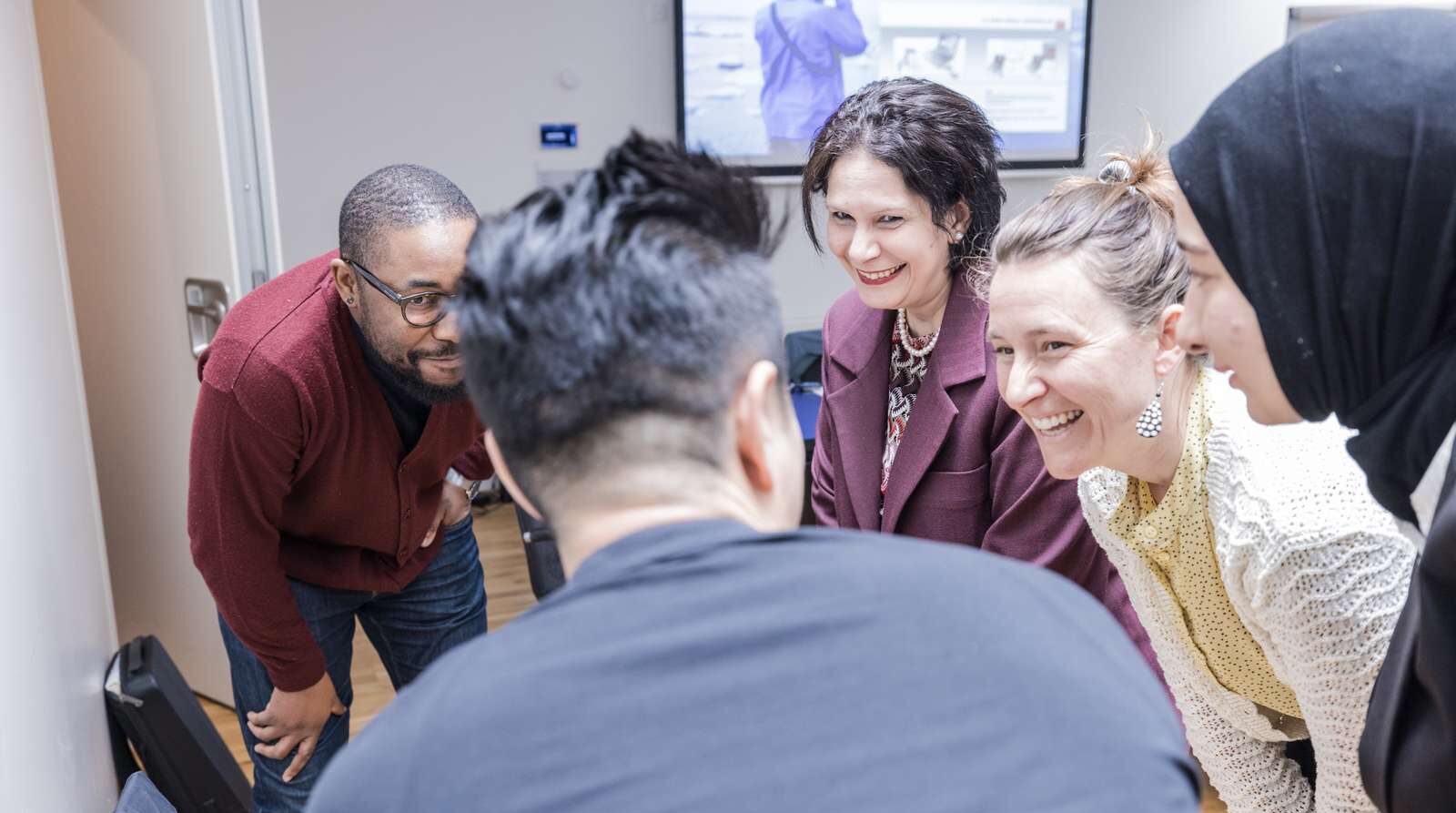
The programme will include expert discussions on integration challenges in a changing political and social environment, presentations of innovative initiatives from the Baltic and Nordic countries, a session on the role of municipalities in implementing integration policies, and an interactive exchange fair. During the fair, organisations will share practical tools, methods, and solutions that help strengthen the inclusion of newcomers in local communities.
The event will conclude with a film screening organised by the arts agency Artscape, inviting participants to explore themes of migration and asylum through the lens of culture and the arts.