That gap between knowledge and everyday habits was at the heart of a discussion at the BŪTENT! festival titled Nordic Cooking: a conversation about food, health and lifestyle. The title may have suggested an idyllic picture of Nordic food, with plenty of vegetables, local produce and health-conscious choices, but the conversation quickly revealed a more ordinary reality.
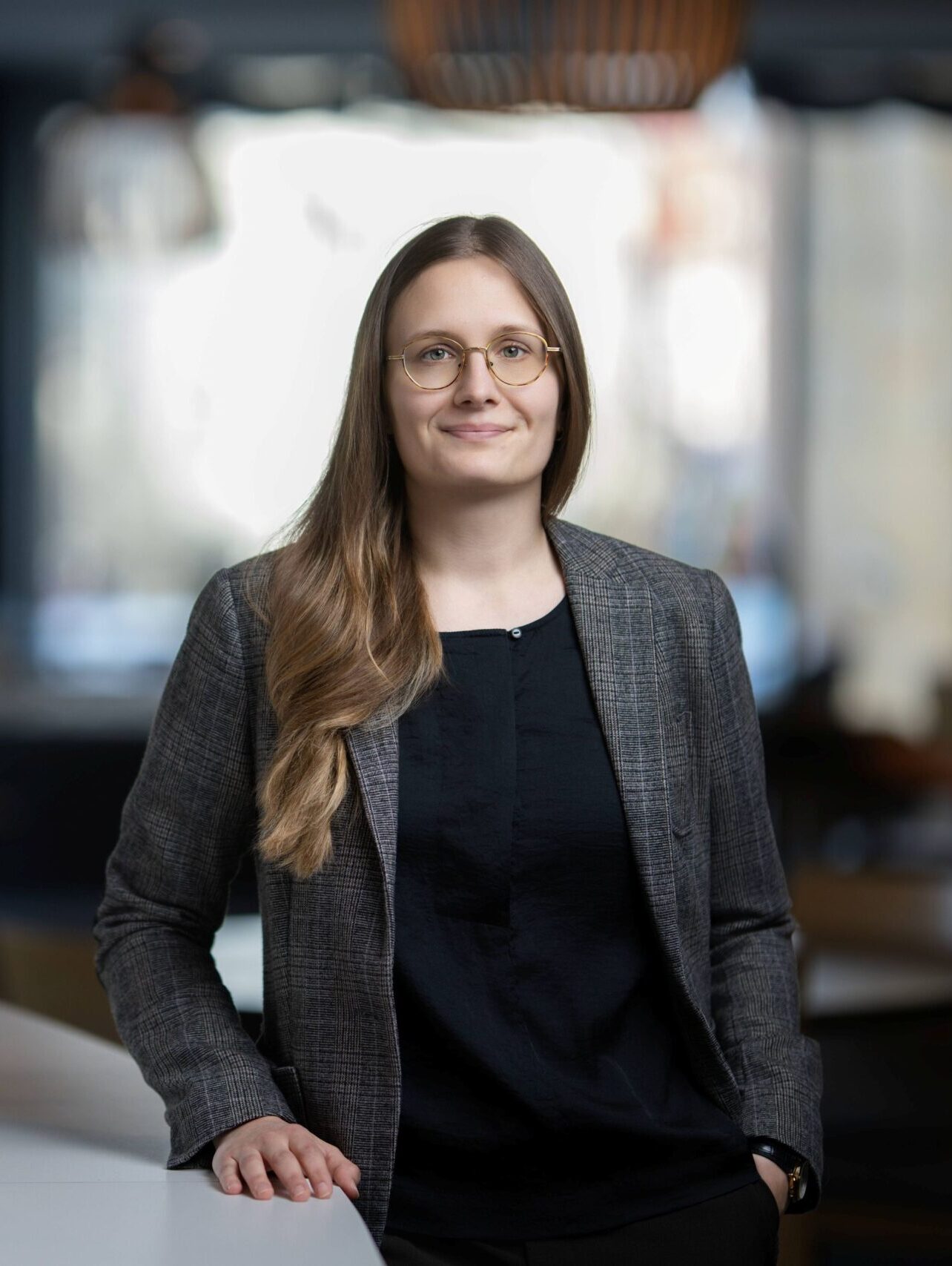
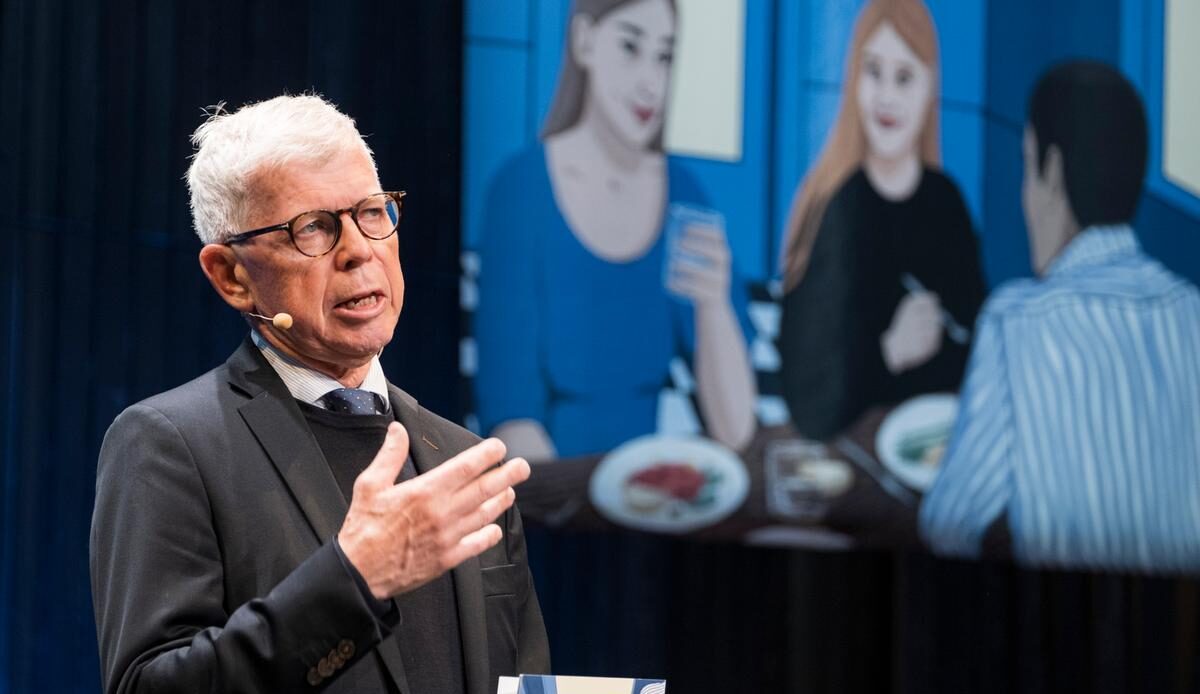
The panel brought together Sisse Fagt, senior adviser at the National Food Institute in Denmark; Tomas Vaičiūnas, head of the Lifestyle Medicine programme at Vilnius University’s Faculty of Medicine; and public health specialist Jugnė Jūnė Jonušaitė from the Vilnius Public Health Bureau, Vilnius sveikiau. The discussion was moderated by Beata Nicholson, author of cookbooks and TV show host.
The Nordics do not always eat the way we imagine
Nordic countries are often associated with high living standards, sustainability and, naturally, a healthier lifestyle. Nicholson smiled that we tend to imagine Danes as exceptionally health-conscious: eating carrots and beans and hardly ever touching sweets.

Sisse Fagt
The data presented by Fagt complicates that picture. In Denmark, people are eating fewer fruit and vegetables, more sugar, very few pulses and plenty of meat. Energy drink consumption among young people is also rising. And according to Fagt, Denmark is not an outlier: similar trends can be seen elsewhere in the Nordic region.
“You can get bad food 24/7,” Fagt said.
That makes it too easy to place all the responsibility on the individual. Cheap, sugary or highly processed foods are available everywhere, from supermarkets to petrol stations, while healthier options may cost more or take more effort. Telling people to “make healthier choices” only goes so far. As Fagt explained, eating habits are shaped by the wider environment: how food is marketed, sold and priced.
Lithuania is no healthy-living exception
Anyone hoping Lithuania might emerge from the discussion as a reassuring exception would have been disappointed.
Jonušaitė described a broadly similar picture in Vilnius: high levels of overweight and obesity, insufficient physical activity, sedentary lifestyles and significant social inequalities in health. Fruit and vegetable consumption is falling, while energy drink consumption is rising.
Vaičiūnas pointed to the more serious consequences behind those habits. A large share of premature deaths in Lithuania is linked to chronic diseases, whose risk can be reduced through changes in diet, physical activity, smoking and alcohol consumption. But he acknowledged that knowledge alone is not enough.
“There isn’t enough to know about healthy eating patterns. You have to do it,” Vaičiūnas said.
This is where the discussion became more practical: what does that actually mean when someone comes home hungry, has 15 minutes to make dinner and is staring at a carrot, a bag of lentils and a sausage?
Sometimes the problem is not vegetables, but what to do with them
Vaičiūnas offered one of the simplest explanations: we know what to do with meat. Put it in a pan, cook it, and dinner is ready. Vegetables and pulses often feel less straightforward.

Tomas Vaičiūnas
To address this, the discussion did not stay theoretical. While the speakers talked about public health, dishes made with courgettes, cabbage, beans, spinach, beetroot, sweet potatoes and other plant-based ingredients were being prepared and passed around. The idea was that a tasting spoonful can be more persuasive than a chart or a dietary guideline.
Jonušaitė sees the same thing in the cooking workshops she runs. She deliberately focuses on pulses and vegetables because, as she put it, people generally do not need to be taught how to cook meat. The greater challenge is showing them what to do with lentils, beans or chickpeas.
Even then, another obstacle often appears. Women frequently tell her after the workshops that the food is delicious, “but my man won’t eat it”. This is not a uniquely Lithuanian phenomenon: Fagt laughed that she hears much the same in Denmark.
Her advice is not to make too much of the fact that a dish is “vegetarian” or that it “contains no meat”.
“You should tell what is in it and not what’s not in it,” Fagt said.
Mushroom risotto can simply be mushroom risotto. It does not need an ideological manifesto before being served.
Most of us probably do not need more protein
Another paradox of modern eating is the protein boom. Protein yoghurts, bars, desserts and drinks, along with products carrying the word “PROTEIN” in oversized lettering, have almost become a food category of their own.
Fagt described the trend as heavily overhyped. Most people in Europe already consume enough protein, she said, and people who become more physically active tend to eat more overall, which naturally increases their protein intake. Vaičiūnas added that walking seven or even ten thousand steps a day is not, in itself, a reason to substantially increase protein intake.

Jugnė Jūnė Jonušaitė
Jonušaitė often uses the “balanced plate” model when teaching: half the plate should be vegetables, one quarter a source of carbohydrates and one quarter a source of protein. But when she asks people what should fill half the plate, one of the most common answers is meat.
“The meat is not the only source of the protein,” Jonušaitė said. “Of course, there are protein in fish, in meat, in eggs, but also lentils, also chickpeas, also beans.”
Children are tough critics, but not impossible ones
Children, perhaps the toughest food critics of all, took up a fair share of the conversation.
Vaičiūnas joked that an avocado placed in front of a child may look almost like a bar of soap. Turn it into guacamole, however, and the situation changes. The same goes for carrots: a plain carrot might not inspire much enthusiasm, but a carrot-based spread with chickpeas is another matter.
Fagt offered an even simpler example. When her children had friends over, she would put out colourful plates of bite-sized vegetables, such as carrots, cucumber and red peppers. They were easy to pick up and gradually disappeared from the table.

Beata Nicholson
Nicholson said something similar worked in her own family: give children carrots or apples when they are genuinely hungry and there is little else on offer.
“I think from my family, basically, it works if you give them the carrots, the apples when they are hungry,” Nicholson said, before joking that the rest of the food, or a treat, can come afterwards.
Perhaps the question is not always “How do I make my child eat vegetables?” but “How do I make vegetables the easiest thing to reach for?”
If we all know what to do, why don’t we do it?
This may have been the most important question of the whole discussion.
There is no shortage of information about healthy eating today. If anything, there is too much of it. Between keto diets, intermittent fasting, protein, kombucha, sourdough, juice cleanses and the next nutritional trend, it is easy to get lost. The experts’ answer sounded almost suspiciously simple.
“Eat plant-based and eat a variety of different foods. Then you are good to go,” Fagt said.
Jonušaitė agreed: more plants and more variety. Vaičiūnas suggested focusing less on what should be removed from the diet and more on what could be added, such as more colours, textures, vegetables, fruit and pulses.

But individual choices alone will not solve the problem. Fagt stressed that eating habits are strongly shaped by price, advertising and the retail environment. If sweets are placed beside the checkout, unhealthy foods are constantly promoted and products aimed at children sit at eye level, people’s choices are hardly made in a neutral environment.
That is why, in her view, public policy matters too, from the price of healthier foods to restrictions on advertising and the way food is presented in shops. Education alone is not enough.
Or perhaps start with just one thing
Towards the end of the discussion, Jonušaitė brought the conversation back from national policy to something more personal. We can know every health recommendation there is, but living more healthily still takes time. If all our time and energy goes into work, family and other responsibilities, there is little left for cooking, exercise or sleep.
“Each of us has to be brutally honest with ourselves, whether our health is our priority,” Jonušaitė said.
Changing habits takes energy and time, she added. For her, that has sometimes meant working less, sleeping more and making space to cook.

Fagt’s final advice was not to attempt a revolution in the fridge overnight. Choose one thing. Change it. Let it become a habit. Then move on to the next.
“Small steps, but a lot of steps,” Fagt said.
So there is no magic Nordic formula for healthy eating. Danes also eat too much sugar, Lithuanians do not always know what to do with lentils, and the protein boom does not necessarily mean we need more protein.
That may be good news. A healthier plate does not require a revolution. Sometimes it simply means learning to make something delicious out of the ingredients we have been walking past in the vegetable aisle.