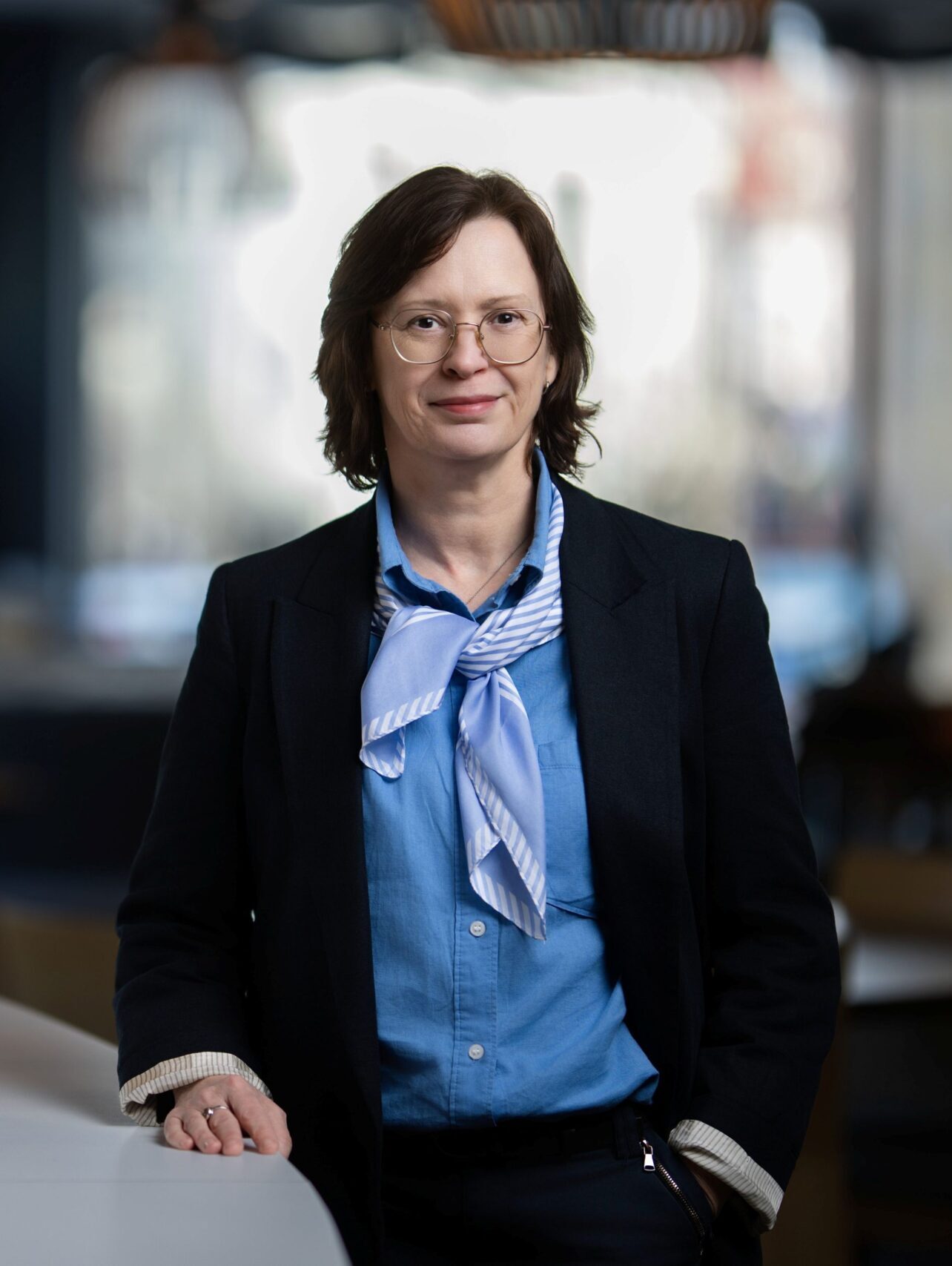
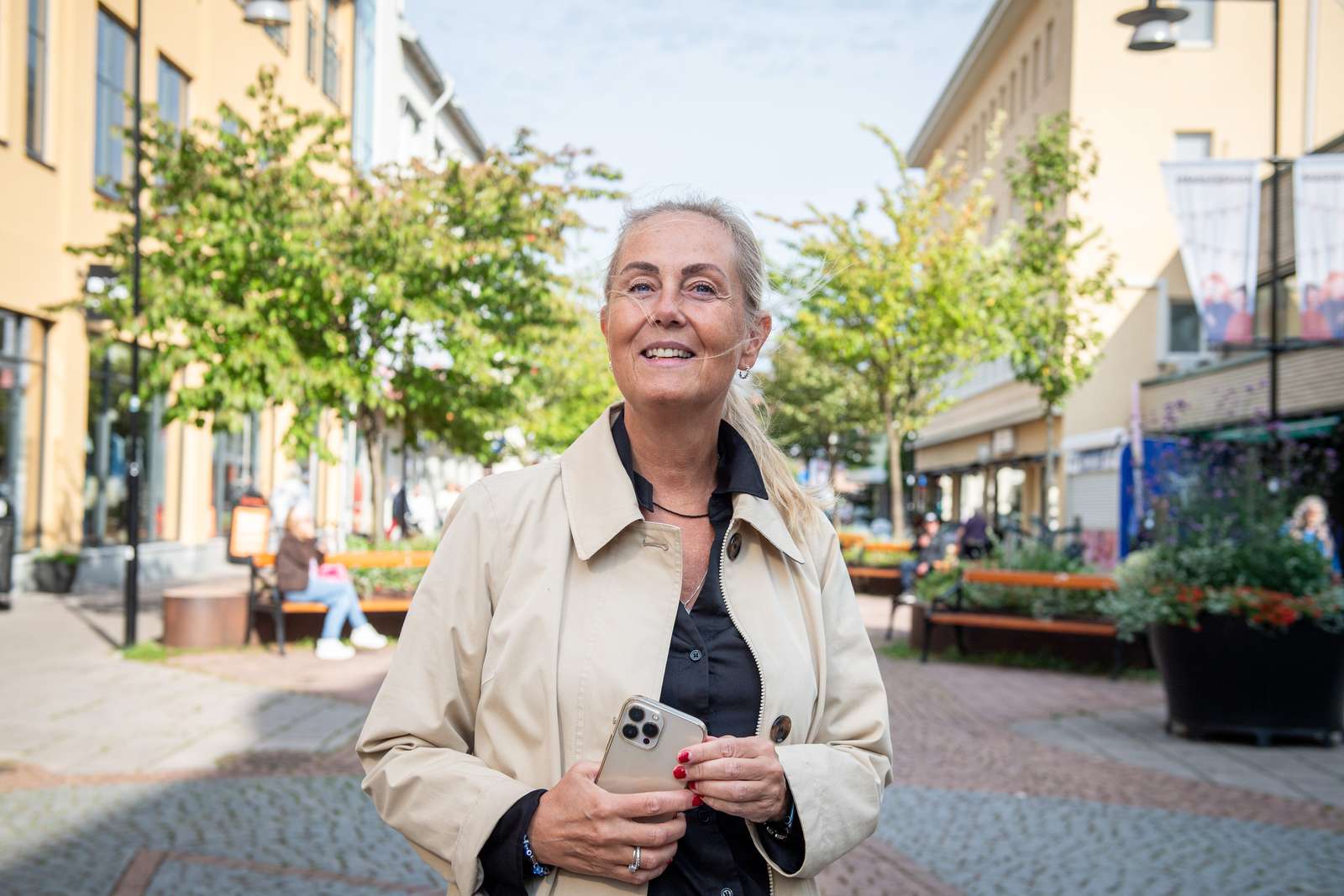
The discussion will focus on the consequences of the persistent lack of research on women’s health, the situation in Lithuania, and concrete steps needed to strengthen research and policy in this field. Speakers will include Prof. Ramunė Grikšienė, Dr. Gražina Bielousova, and Prof. Alkistis Skalkidou (Sweden). The discussion will be moderated by science journalist and one of the event’s initiators, Goda Raibytė-Aleksa.
Although women are increasingly becoming leaders and innovators in science, biological sex often remains overlooked in life sciences and clinical practice. As a result, medical innovations are frequently developed using male-based models, while women may experience undetected conditions, delayed diagnoses, and less effective treatments. These gaps also reinforce social stigma and stereotypes, as women’s symptoms are more likely to be dismissed or interpreted as subjective.
“The importance of women’s health has been underestimated for far too long. Undetected and untreated diseases are not only a problem for women and their families but also an economic burden on the state. Investing in women’s health is an investment in economic sustainability and in a workforce that remains active for longer,” says Prof. Ramunė Grikšienė of Vilnius University.
The keynote lecture will be delivered by Prof. Alkistis Skalkidou, founder of the WHOLE Women’s Health Research Center at Uppsala University. Her research examines the biological, psychological, and social dimensions of women’s health and how they can be better integrated into modern research design.
UNESCO and other international organizations stress that integrating gender perspectives into scientific research is essential for developing fair, evidence-based, and inclusive public policy. Strengthening women’s health research therefore requires systemic measures, including revising research design, introducing clear requirements for sex-based data analysis, and commissioning targeted studies to support evidence-based decision-making.
“When we talk about gender equality in science, we should think not only about who works in laboratories or universities, but also about what we study and which questions we consider scientific. Inclusivity determines what data we collect and what conclusions we consider valid,” says Miglė Mašanauskienė, Secretary-General of the Lithuanian National Commission for UNESCO.
“If we ignore half of humanity in medical research, we produce inaccurate knowledge and ineffective solutions,” says Ole Andreas Lindeman, Director of the Nordic Council of Ministers Office in Lithuania. “Sharing experience and fostering dialogue with Lithuania’s academic community helps ensure that women’s health is equally financed and is recognised as a matter of core societal importance.”
The event is organized by the Lithuanian National Commission for UNESCO together with science journalist Goda Raibytė-Aleksa, the Lithuanian Journalism Centre, and Vilnius University. The women’s health research initiative is supported by the Nordic Council of Ministers Office in Lithuania.
The event is free of charge, but registration is required:
https://forms.gle/PtBNEAYfvzcyRA716